

Finding Housing in Luxembourg for 1–6 Months
1–6 month rentals in Luxembourg fill the gap between hotels and long leases, offering flexible housing during relocation.

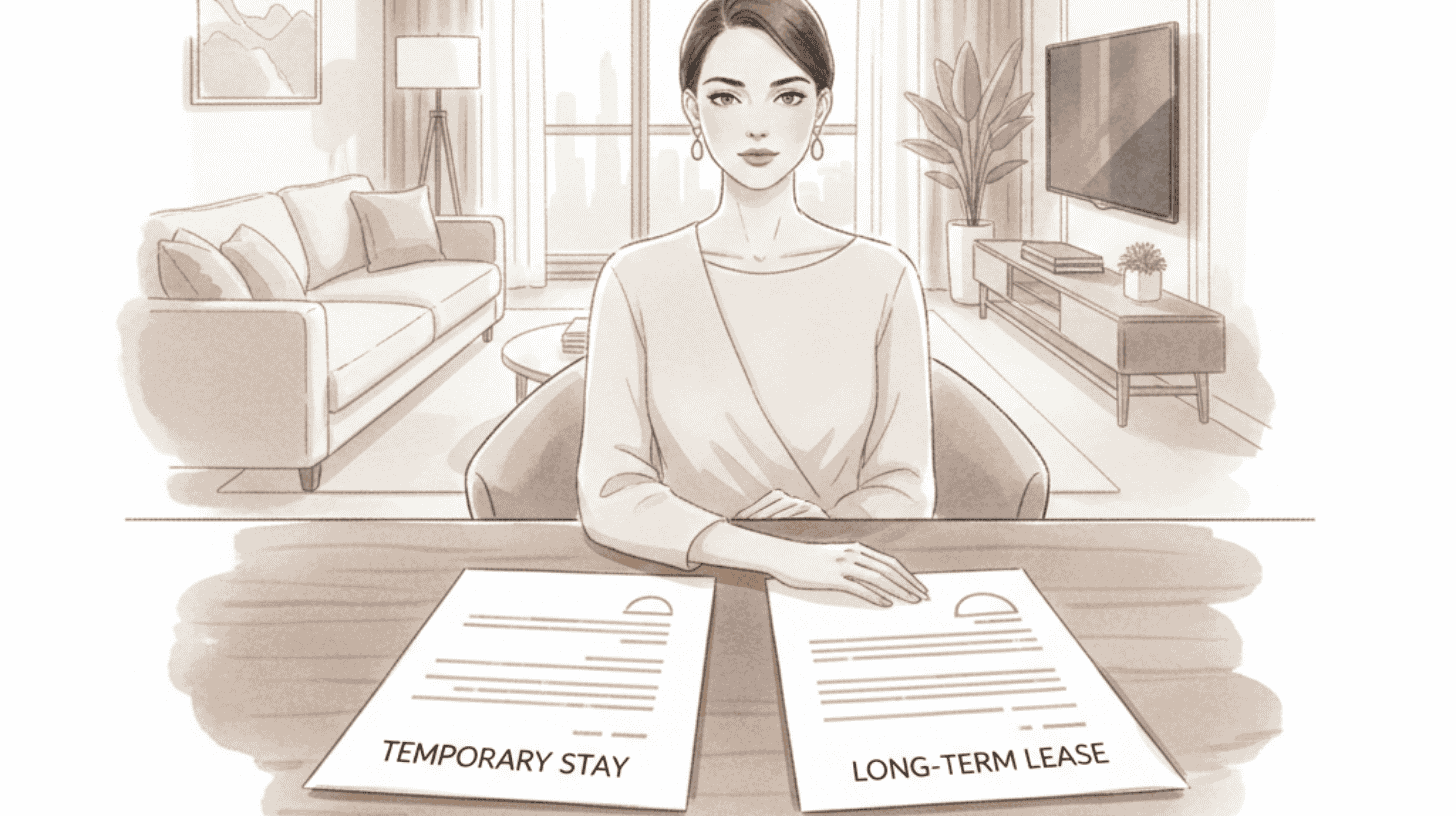
Relocating to Luxembourg does not always fit neatly into a 12-month lease.
Many people arrive knowing they will stay somewhere between one and six months. Long enough that hotels stop making sense. Too short for standard rental contracts. This period is often referred to as the “gap” month, and it is one of the hardest housing problems to solve in Luxembourg.
This article explains why 1–6 month rentals are so difficult to find, which options usually fail, and how temporary housing can be used strategically rather than as a last resort.
What the “Gap” Month Actually Means
The gap month is not a single month. It refers to stays that typically fall between:
- 1 and 6 months
- Temporary but not short stays
- Transitional periods between decisions
It affects people who are:
- Relocating for work
- Waiting for long-term housing
- On fixed-term projects
- Moving with a family but without final school placement
- Testing a relocation before committing long term
This is not a niche scenario. It is a structural gap in the housing market.
Why Hotels Stop Working After a Few Days
Hotels are designed for short stays, not daily life.
After the first few days, problems start to appear:
- Costs increase quickly beyond 7+ days
- No proper kitchen or storage
- Lack of privacy and routine
- Difficulties receiving mail or registering addresses
What feels manageable for a couple of days becomes unsustainable after a week.
Hotels solve availability. They do not solve livability.
Why Standard Leases Do Not Fit 1–6 Month Stays
Traditional leases in Luxembourg are rarely designed for flexibility.
Common limitations include:
- Minimum lease durations of 12 months
- Long notice periods
- Unfurnished properties
- Administrative overhead and setup costs
For relocators with uncertain timelines, committing too early can create more problems than it solves.
Signing a long lease under pressure often leads to:
- Early termination penalties
- Being locked into the wrong location
- Paying for space that does not fit long-term needs
The Hidden Costs of “Temporary” Decisions
Temporary housing is often framed as expensive. What is less discussed are the hidden costs of poor temporary choices.
These include:
- Paying hotel rates longer than planned
- Multiple moves within a short period
- Storage and logistics costs
- Time lost restarting the housing search mid-stay
In many cases, choosing the wrong temporary solution costs more than choosing a well-structured one from the start.
Who Is Most Affected by the Gap Month
The gap month disproportionately affects certain profiles.
Solo professionals
New hires often start work before they understand neighborhoods, commute patterns, or long-term preferences.
Families
Families may be waiting for school confirmation or want to avoid committing to a location too early.
Project-based workers
Consultants and contractors often have fixed timelines that do not align with standard leases.
Companies relocating employees
Employers need housing that is predictable, flexible, and compliant without overcommitting.
Each of these cases requires flexibility without sacrificing quality or security.
Why 1–6 Month Rentals Are Harder to Find Than Expected
The difficulty is structural.
From a landlord perspective:
- Short stays mean higher turnover
- Furnished properties require more management
- Demand is seasonal and unpredictable
As a result:
- Inventory is limited
- Good options disappear quickly
- Many listings advertised as flexible are not truly flexible
Browsing alone often leads to frustration, not clarity.
Common Mistakes During Gap Stays
Several patterns appear repeatedly.
- Booking a hotel “for one week” and staying three
- Signing a long lease just to escape short-term costs
- Choosing the cheapest option and losing flexibility
- Ignoring location because the stay is “temporary”
Temporary housing still needs to support daily life. Poor choices during this period often delay, rather than accelerate, long-term stability.
What a Good 1–6 Month Housing Solution Looks Like
A strong gap housing solution usually has the following characteristics:
- Fully furnished and move-in ready
- Clear pricing including utilities
- Flexible duration within a defined range
- Simple entry and exit conditions
- No pressure to commit long term immediately
The goal is not perfection. It is control.
Using the Gap Month as a Relocation Strategy
The gap month can be an advantage when used intentionally.
Temporary housing allows relocators to:
- Explore neighborhoods before committing
- Align housing decisions with work and school timelines
- Reduce pressure on long-term choices
- Avoid rushed commitments driven by scarcity
Flexibility during this period protects both finances and peace of mind.
Is a Gap Rental the Right Choice for You?
Ask yourself:
- Do I know where I want to live long term?
- Is my stay duration fixed or uncertain?
- Are school or work variables still unresolved?
- Do I need flexibility more than price optimization?
If the answer to several of these is yes, a gap rental is often the safest option.
Flexibility Is Not Inefficiency
Choosing a 1–6 month rental is not a failure to plan. It is a rational response to uncertainty.
In a market like Luxembourg, flexibility reduces mistakes, limits financial exposure, and creates space for better long-term decisions.
The gap month exists because relocation is rarely linear. Housing solutions should reflect that reality.

Ready to see your matches?
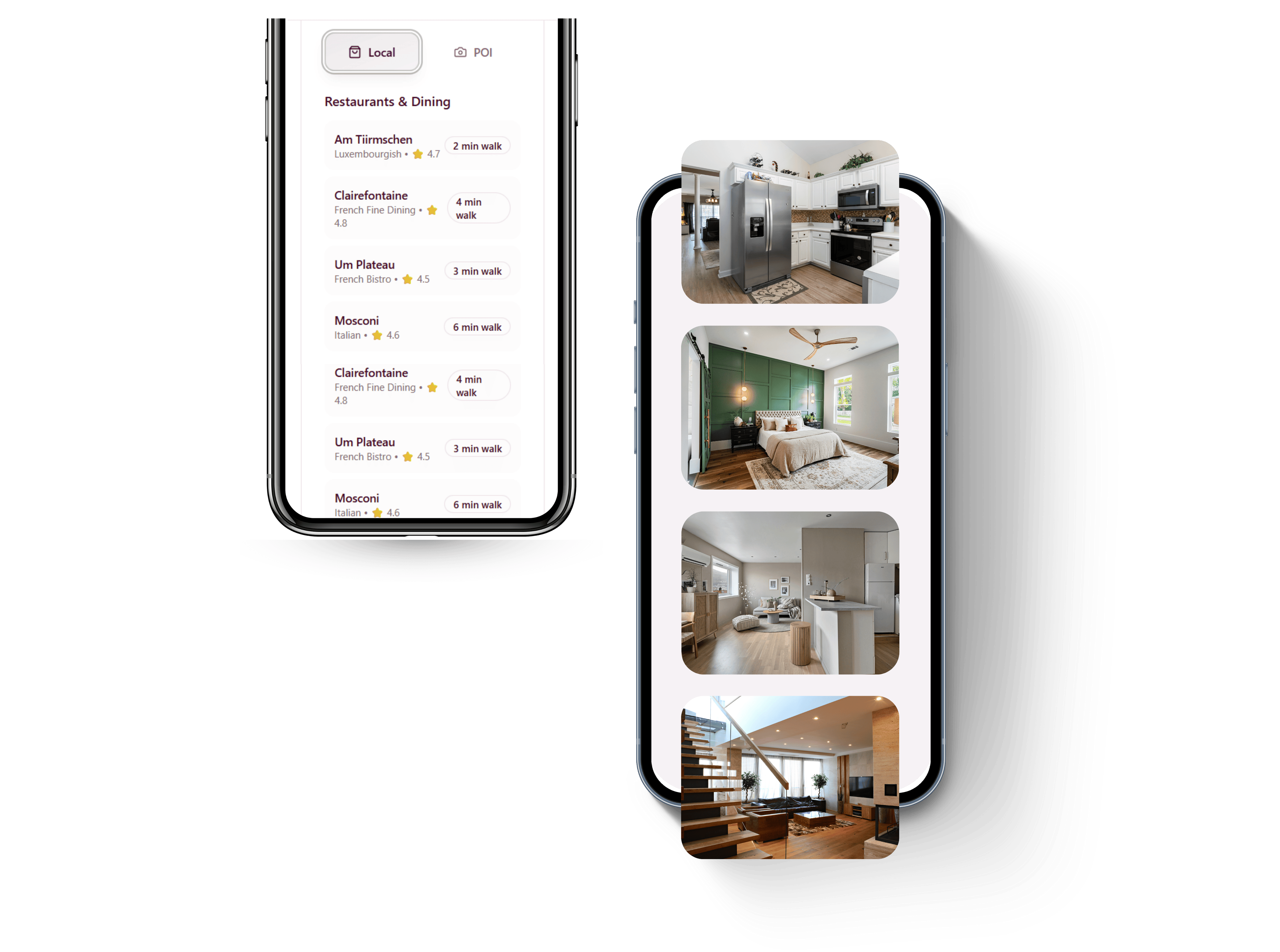
Find your ideal place in just a few clicks. Tell us what you’re looking for, and we’ll match you with homes that truly fit your lifestyle.
More blog posts






DèsVu S.à r.l.
9 Rue du Laboratoire, 1911 Luxembourg
RCS B274274 | VAT LU34633536
© 2025 StaysCo